


Best Roof Top Tent for SUV – Reviews & Buying Guide
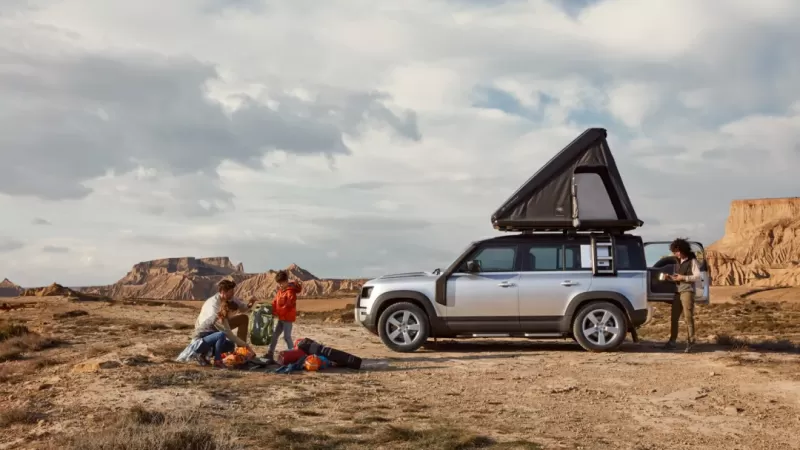
Hey everyone, if you drive an SUV and you're searching for the best roof top tent, you've probably seen way too many lists and reviews online. Today I'm not going to read you spec sheets. Instead, I'll share three practical angles that helped me make my own decision. Let's get into it.
Best SUV rooftop tent
Most people get this backwards. They fall in love with a big, cool tent, then find out their factory roof rails can't handle it, or they feel nervous every time they hit a bump. So the first thing is: check what your SUV can actually carry.
Open your owner's manual and look for the dynamic load rating – that's the weight your roof can take while driving, not parked. For most midsize SUVs, it's around 75 kilograms. So you want a tent that weighs under 65 kilos, leaving room for bedding and a mattress topper. Next, check the unfolded width. For two people, go at least 140 centimeters wide – anything less and you'll be elbowing each other all night. If you have a kid, jump to 160 centimeters for a comfortable family sleep.
Hard shell or soft? I personally lean toward hard shell because when closed, it's only about 25 centimeters thick, which cuts wind noise and looks sleek even if you leave it on all summer. Plus, it handles rain and wind way better than soft shells. So, know your SUV first, then pick the tent that matches – that's the safest way to go.
Top rated rooftop tents for SUVs
Once you know your weight limit, look at the best-selling, highly rated models. What makes them stand out? They all nail three speed factors.
Speed one: fast setup. Good hard-shell tents use gas struts – you pull one handle, push up, and it's flat in three seconds. No wrestling with poles or straps. Speed two: fast fold-down. The memory foam mattress compresses automatically when you close it, so you don't have to fight to shove it in – even if you're not super strong. Speed three: fast drying. The fabric is water-repellent, and the base has an anti-mold coating, so morning dew just beads off and you can pack it away without that musty smell.
Beyond these three, top models also pay attention to little things – like an oversized rain fly that keeps water from dripping in when you open the door, and double-layer mesh doors that keep bugs out while letting breeze in. If you don't want to overthink, you can safely pick one of the top three bestsellers – they rarely disappoint. But still, always double-check if its features match your camping style.
Best rooftop tent for SUV reviews
Now you've narrowed it down to two or three contenders. Don't hit "buy" until you've watched and read real user reviews – not the glossy promos, but videos and comments from ordinary owners. Here are three sneaky details most people miss.
First, sway in windy conditions. Search for videos shot on windy campsites – watch how much the tent rocks sideways. If it swings like a hammock, you won't sleep well on a breezy night. Second, rainproofing. Ignore the waterproof rating number for a moment – instead, zoom in on seam tape and check if the inner ceiling has a drip channel. A lot of leaks actually come from the zipper seams, so read comments that mention "rain" or "leak". Third, mattress thickness. I learned this the hard way – the stock mattress was only 5 centimeters thick, and after one night my back was killing me. I swapped it for a 7-centimeter high-density foam and it was a game-changer. So always search reviews for words like "comfort" or "sleep quality".
One more thing – look up installation videos because many tents don't include crossbars, and if you buy the wrong size, you can't even mount it. Follow these three checks when you read reviews, and the tent you end up with will truly be your personal best choice.
So there you go – three angles: vehicle fit, top-rated common traits, and real-review pitfalls. I hope you find the perfect tent, throw it on your SUV, and hit the road to discover some unforgettable views. See you out there!