


How to Choose a Dry Bag – Buying Guide
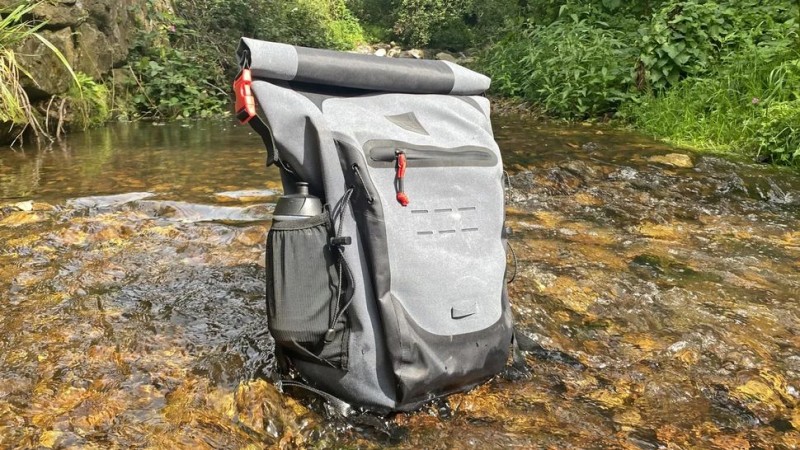
Hey everyone, summer is here and it's prime kayaking season. If you've been looking for a dry bag and feel overwhelmed by all the options online, you're not alone. Today I'm not going to read you product specs or marketing lines. Instead, I'll share three real-world angles that actually matter when picking a dry bag for your next trip.
dry bag for camping
Let's start with camping, because a lot of people think dry bags are only for the water. But honestly, they're just as useful on land. Think about it – tent condensation in the middle of the night, morning dew on the grass, or a sudden rain shower in the mountains. Your sleeping bag, spare clothes, and electronics all depend on that one bag to stay dry.
For camping, go bigger than you think you need. You're not going to be running back and forth to your kayak every time you need something. I'd say at least 20 liters for an overnight trip, and if you're staying for two or three days, bump it up to 30 liters so you can fit a change of clothes, a lightweight blanket, and all your charging gear.
Seal type matters too. You'll be opening and closing your bag frequently at camp, so go for a roll-top with buckles. Three rolls and clip it shut – that gives you the best seal, and it's much easier to open and close than zipper styles. Material-wise, your bag will get dragged across rocks and gravel at camp, so choose something tough – PVC or heavy-duty nylon – rather than those super thin lightweight ones that tear easily.
One last camping tip – don't leave your dry bag outside the tent overnight, even if it's waterproof. Condensation on the inside of the tent fabric can still seep through the outside of the bag and get your stuff damp. Learned that one the hard way.
waterproof phone dry bag
Now let's talk about the small stuff – phone dry bags. This seems simple, but honestly, this is where most people mess up.
I see folks buying the cheapest phone dry bag they can find because it's only a few bucks. But think about what you're putting inside – a thousand-dollar phone. Saving ten bucks on a bag that might leak is just not worth it. This is one piece of gear where you really shouldn't cut corners.
Here are two things to check. First, the waterproof rating – look for at least IPX7, and IPX8 is even better, meaning it can handle full submersion for a while. Second, the seal design – double track seals with hook-and-loop fasteners are the most reliable. Avoid anything with just one thin seal strip – that thing will fog up within five minutes in the water.
And here's a trick you'll actually use. Before you put your phone in, stick a dry tissue inside, seal it up, and drop it in a sink full of water for a few minutes. Pull it out and check if the tissue is wet. That test tells you more than any certification label. Also, before you seal your phone inside, crank the screen brightness all the way up and set the auto-lock to "never" – that way you can still take photos and videos through the clear window without fumbling with the screen lock.
dry bag for kayaking
Now back to the main topic – dry bags specifically for kayaking. A lot of people think any dry bag will work on a kayak, but that's just not true.
The first thing you need to think about is how to secure it in your boat. When you hit rough water or a fast current, an unsecured bag is going overboard. So look for bags with D-rings or attachment points, and bring some shock cord or Velcro straps to tie it down to the rigging on your kayak. And go for a light or bright color – if it does go in the water, you'll actually be able to spot it from a distance and retrieve it.
Size depends on how long you're out. For a day trip, 5 to 10 liters is plenty – phone, keys, energy bars, and a windbreaker. For an overnight trip, you're looking at 20 liters minimum. Any longer and you'll want 30 liters.
Here's something most people overlook – don't overpack your dry bag for kayaking. It's tempting to stuff it full, but when you roll it closed, it becomes this hard, round lump that won't fit through your kayak's hatch opening. If you strap it on the deck, it gets in the way of your paddle stroke. So fill it to about 70 or 80 percent, roll it down, and give it a squeeze so it flattens out a bit and slides right into the hatch.
So there you go – camping needs big and tough, phone bags need quality seals, and kayaking needs secure attachment and the right size. Hope you grab the right dry bag and get out on the water with peace of mind. See you next time!