


What to Bring for Car Camping Ultimate Family Checklist
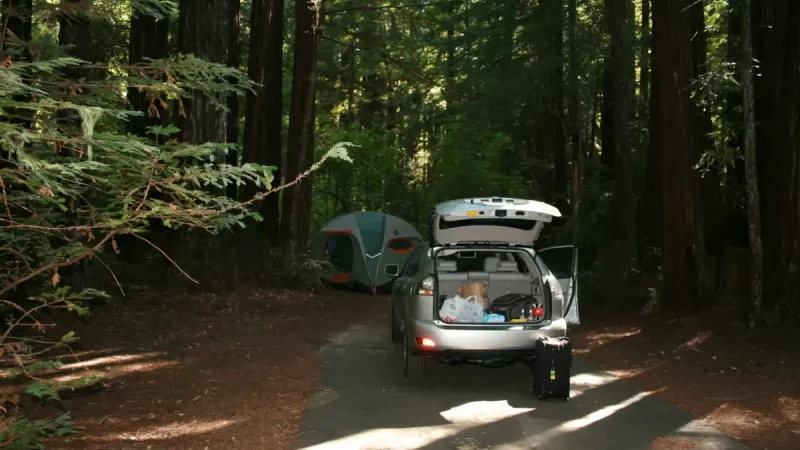
Every time I prepare for a car camping trip, I end up spreading all my gear across the living room floor and checking things off one by one. It feels a bit tedious, but I've learned that this preparation is exactly what determines whether the next few days will be relaxing or stressful.
The great thing about car camping is that your vehicle can carry a lot. You don't have to worry about fitting everything into a backpack or choosing one item over another because of space constraints. But that same abundance of room can trick you into bringing too many unnecessary things while leaving behind something truly important. Over the years, I've developed a packing logic that works well for me. I think about a few key categories, and if I cover those, I rarely forget anything critical.
The very first thing to sort out is where you'll sleep. Your tent is your home at the campsite. Choose the right one, and the rest of the trip feels comfortable. Since you don't have to carry the tent on your back, weight isn't a major concern. I care much more about interior space and how easy it is to set up. I used traditional pole tents for many years, and I remember those evenings when we arrived at camp just before dark, crouching on the ground to thread poles through sleeves, while my family waited and the light faded. It was stressful. Then I switched to an inflatable tent, and the difference was striking. Connect the pump, and within minutes the main structure stands up. No poles to wrestle with, no broken fiberglass rods. This advantage becomes especially obvious when you have children or older adults with you. And if the tent is tall enough to stand upright inside, that makes a world of difference when you're changing clothes or making the beds. Weather protection matters too. Conditions change quickly outdoors, and a tent that can handle moderate rain while blocking UV rays gives you real peace of mind.
Sleeping bags and pads are equally important. Mountain nights can get much colder than the daytime forecast suggests. I always choose sleeping bags rated a few degrees lower than the coldest temperature I expect, just to have a buffer. For sleeping pads, I recommend thicker self-inflating models or air mattresses. The ground steals heat quickly, and if you don't insulate well, you'll wake up frequently during the night. I also bring extra pillows and blankets. Making the tent feel soft and cozy inside gives me that comforting feeling when I crawl in at night.
When it comes to meals, my rule is to keep things simple but have the right tools. A two-burner stove is the most practical setup—you can boil soup on one side and fry meat on the other. Always bring an extra fuel canister. Many times I thought I had enough, only to run out during the last meal, which is disappointing. Cookware doesn't need to be fancy, just durable and lightweight. But do bring a sharp knife; it saves a lot of effort in food prep. I pre-chill my cooler with ice packs at home and pack food by day, so I don't have to dig through everything at mealtime. Water is something I always overestimate. Campground water sometimes doesn't taste great, or supply can be limited. I usually plan for about four liters per person per day—enough for drinking, cooking, and a quick wash.
For clothing, layering is the smartest approach. Wear moisture-wicking fabric against your skin. Cotton feels comfortable but takes forever to dry if you sweat or get caught in rain, and that chill in the evening wind is unpleasant. A fleece or thin down jacket in the middle, with a waterproof shell on top, handles most weather conditions. I pack two pairs of shoes: one sturdy pair for hiking with good grip and support, and a pair of soft camp shoes to slip into once we settle in. Letting my feet breathe at the end of the day makes a huge difference. One small piece of advice—bring more socks than you think you need. Changing into dry socks after a wet day lifts your spirits instantly.
After dark, you need light around the campsite. A bright LED lantern works well for the common area, and each person should have a headlamp for trips to the bathroom or for sorting things out after sunset. Headlamps leave your hands free, which is invaluable when you're cooking or setting up. Spare batteries and a power bank are essential—we all rely on phones for photos, navigation, and checking maps, and battery drains quickly. If you want a bit of atmosphere, string some small lights across the front of your tent. The warm glow against the night makes the campsite feel special.
Then there are the little details that make camping more comfortable. Folding chairs and a table take up space, but having a proper place to sit and eat changes everything—you don't have to stay on the ground all the time. Bug protection is non-negotiable in summer. Bring spray, coils, or a portable repellent device. During the day, strong sun can be harsh, so if your tent has UPF protection, that's a bonus. Alternatively, set up an extra tarp or canopy for shade and airflow.
Safety is the bottom line. A first aid kit is essential, and besides the usual bandages and antiseptic wipes, don't forget your personal medications. A multi-tool, duct tape, spare cord, a lighter, and fire starters are small items that take up little room but can save you in unexpected situations. Even with a phone for navigation, I always carry a paper map. Mountain areas often have no signal.
After everything is packed, I do one final mental run-through before leaving, checking five broad categories: sleep, cooking, clothing, comfort, and safety. I've been doing this long enough that the list is mostly the same each time, but that mental review gives me confidence. It lets me focus on the scenery and the people around me, rather than worrying about what I might have forgotten.
If there's one piece of gear that affects the entire experience more than any other, I'd say it's the tent without hesitation. It's not just where you sleep; it's the foundation for everything you do at camp. A spacious tent that's easy to set up and can handle the weather makes the whole trip smoother. Inflatable tents have genuinely helped in this regard, especially for family outings. The time and effort you save on setup can be spent on much more enjoyable things.
I hope this experience helps you avoid some common pitfalls. And I wish you a relaxing and enjoyable car camping trip next time you head out.